
FOOD, PRODUCE & CUSTOM PACKAGING
Packaging for produce, food
and your next custom project.Packaging for produce, food
and your custom project.
Start with an existing format or discuss a custom structure. Tell us what you pack, how it is handled and what needs to change.
Existing formats and custom structures, developed around what you pack and how you use it.
- Existing formats
- Adapted formats
- New tooling
- Inner + outer pack
- AUTOMATIC PRODUCTION LINES
- 46
- DAILY SHEET MATERIAL USE
- 90 TONNES
- ANNUAL PACKAGING CAPACITY
- 300 MILLION
- EXPORT COUNTRIES & MARKETS
- 30+
Make the important parts of
the journey easier.
Make the journey
easier.
The right direction should protect the product, use case space well, present it clearly and keep every packaging layer aligned.
01 / 05
Fit & protection
Match support, airflow, closure and handling to the real product and its normal variation.
Learn moreFind the packaging
for your product.
Find your
packaging format.

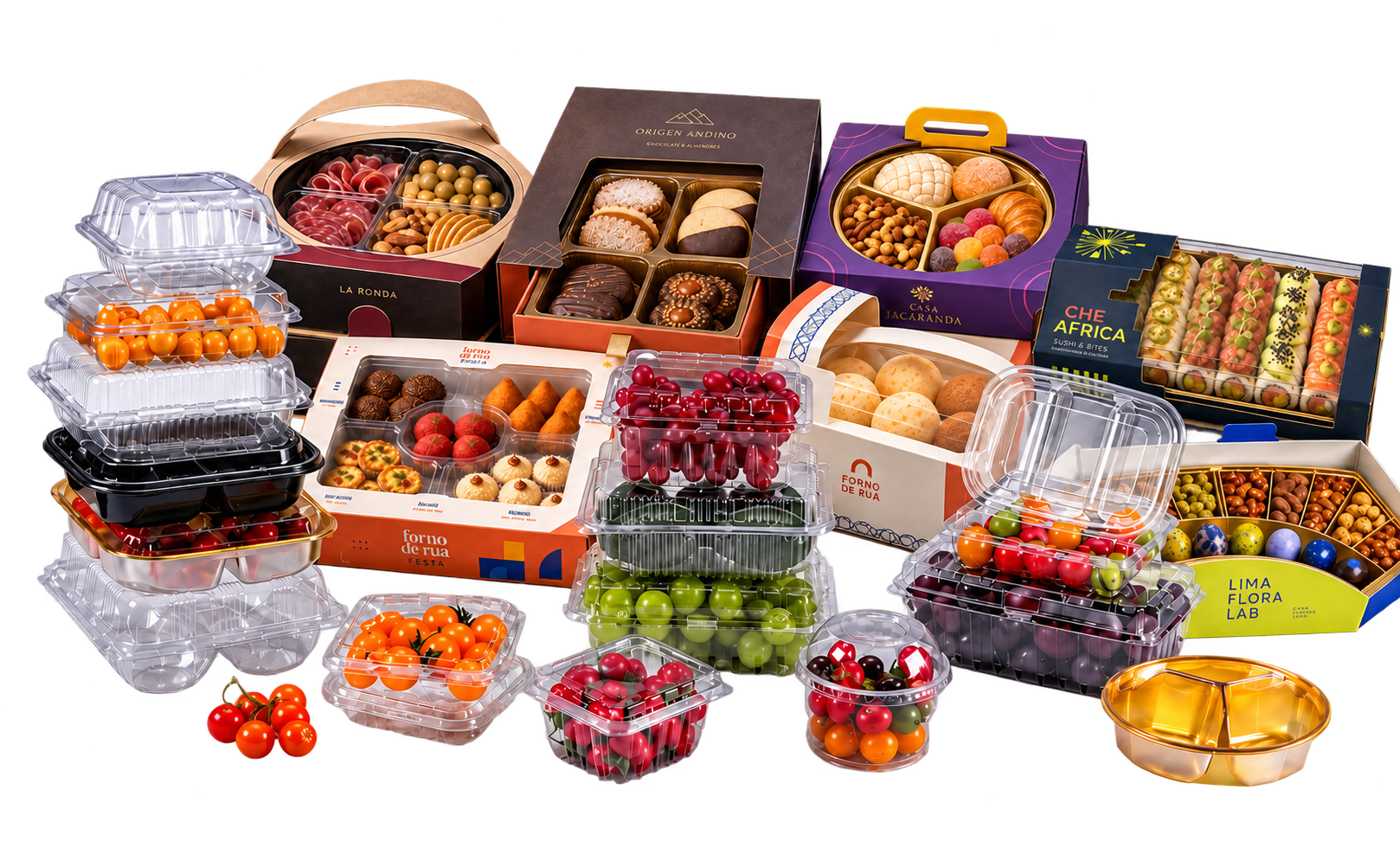
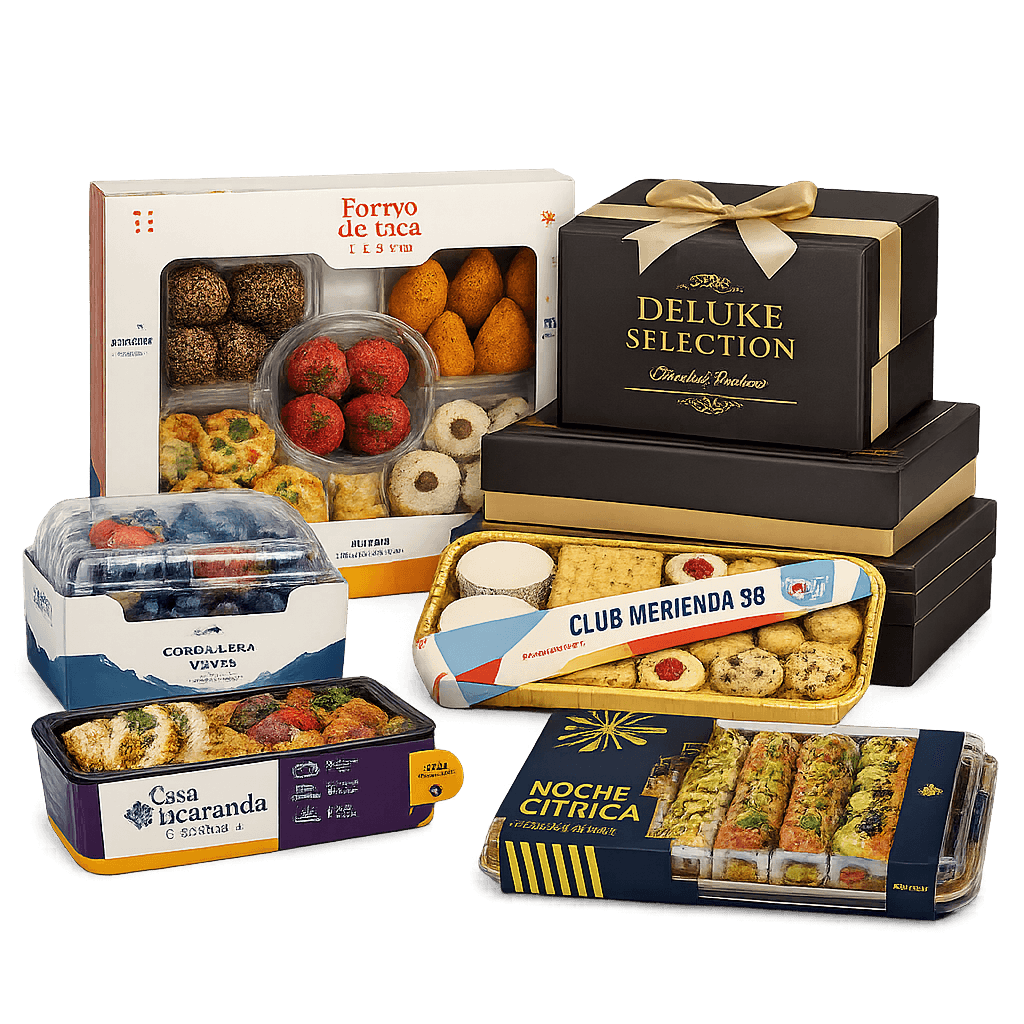
CLAMSHELLS + PRODUCE TRAYS
Fresh produce packaging
Explore clamshells, punnets and trays for packing, handling and displaying fresh produce.Explore products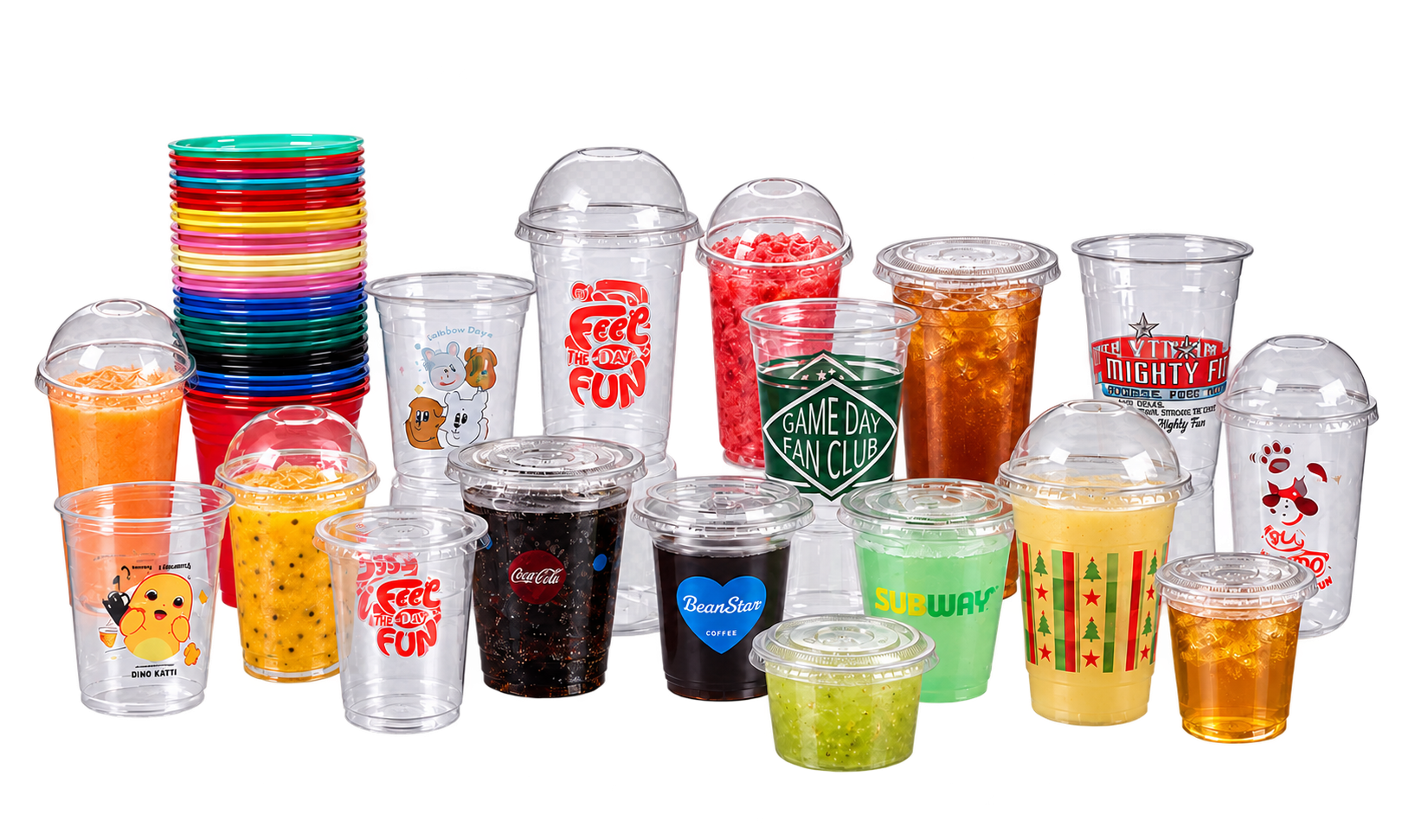
CUPS + MATCHING LIDS
Drink cups + lids
Compare cup shapes and lid options, then check the rim fit for your drink and serving method.Explore products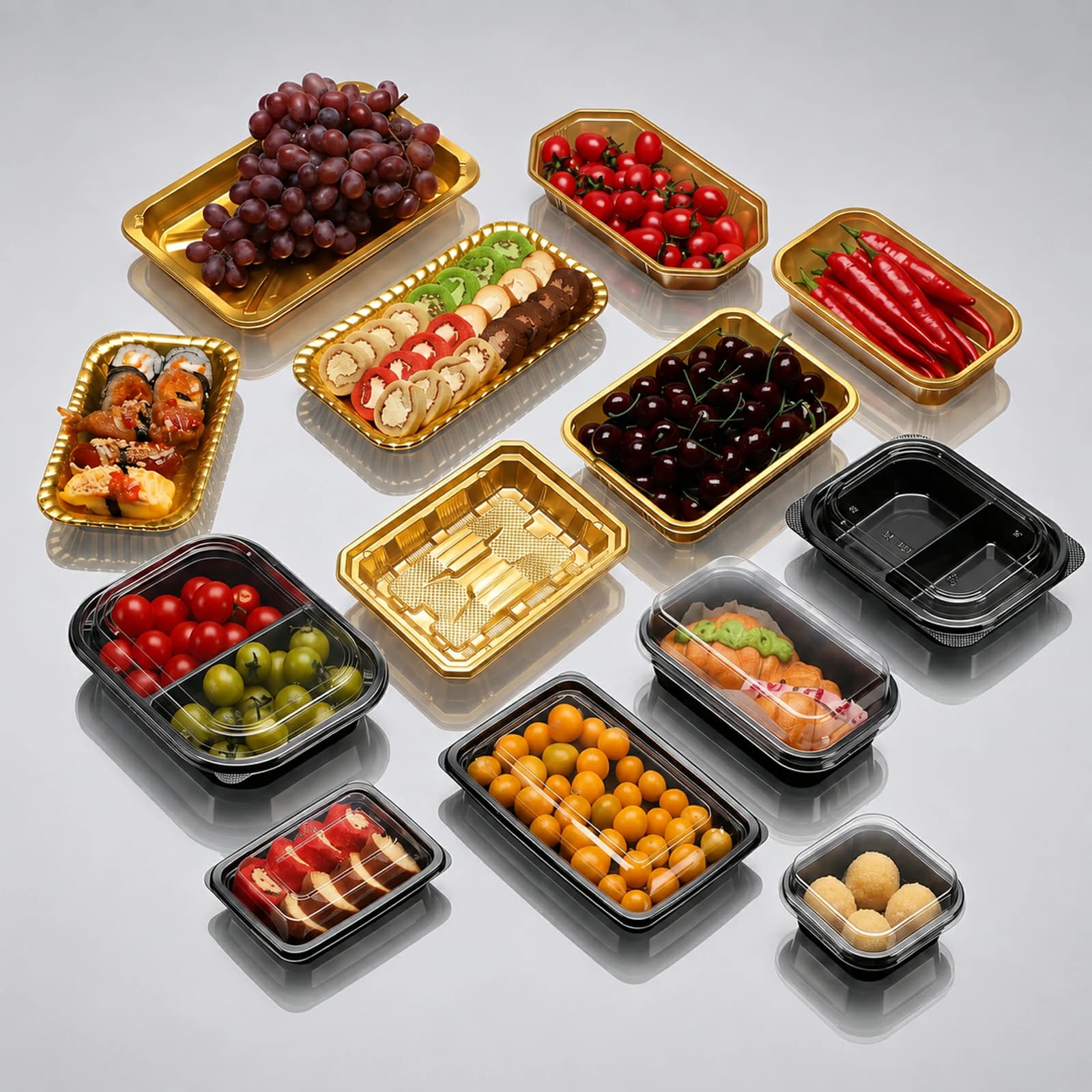
From product to sample
to production.
Develop the structure, review the sample and prepare production
Review the fit, material, closure and packing method before committing to production.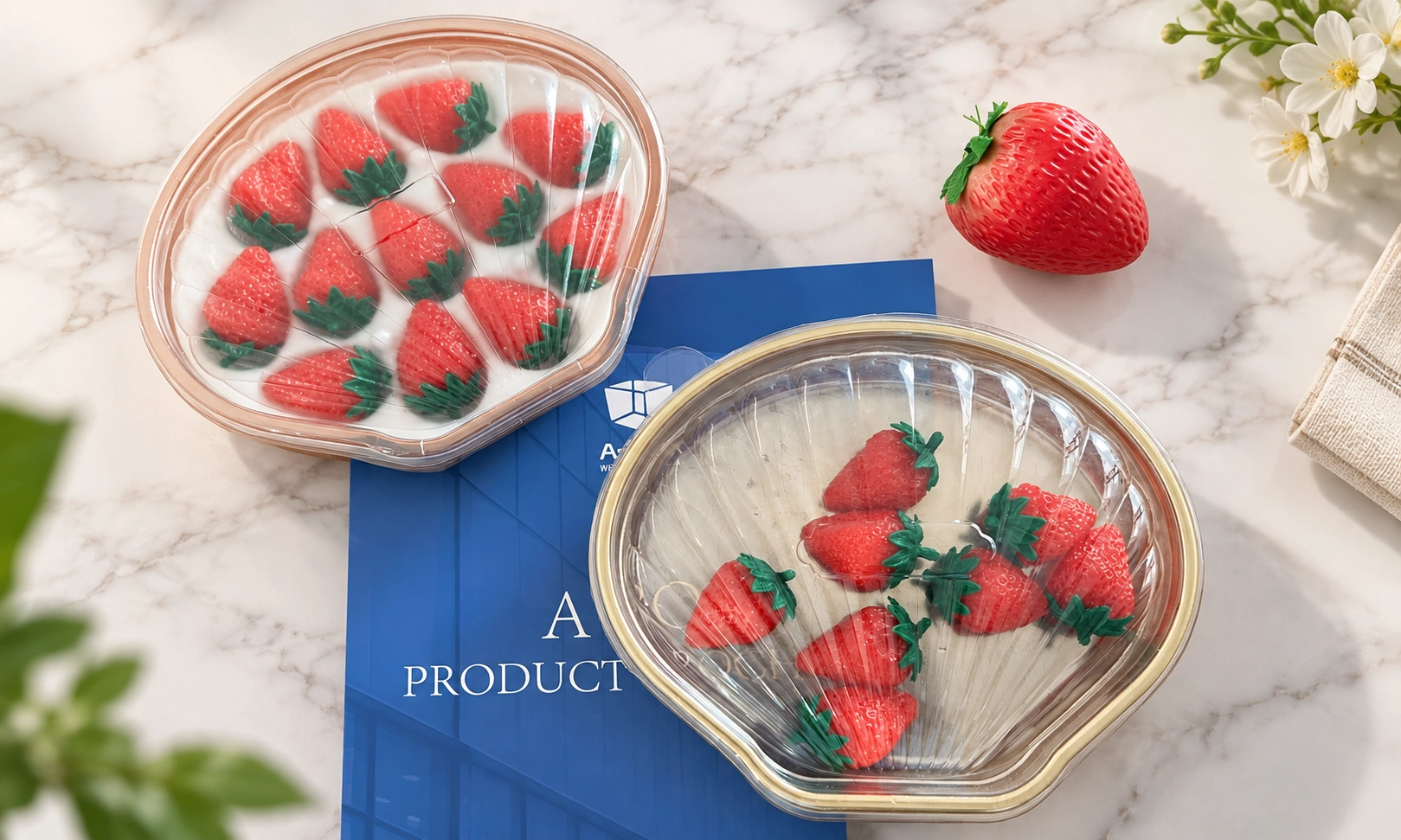
Buyer input
Brief
Define the product, intended use, quantity, route and the decision that matters most.Buyer input
Brief
Define the product, intended use, quantity, route and the decision that matters most.→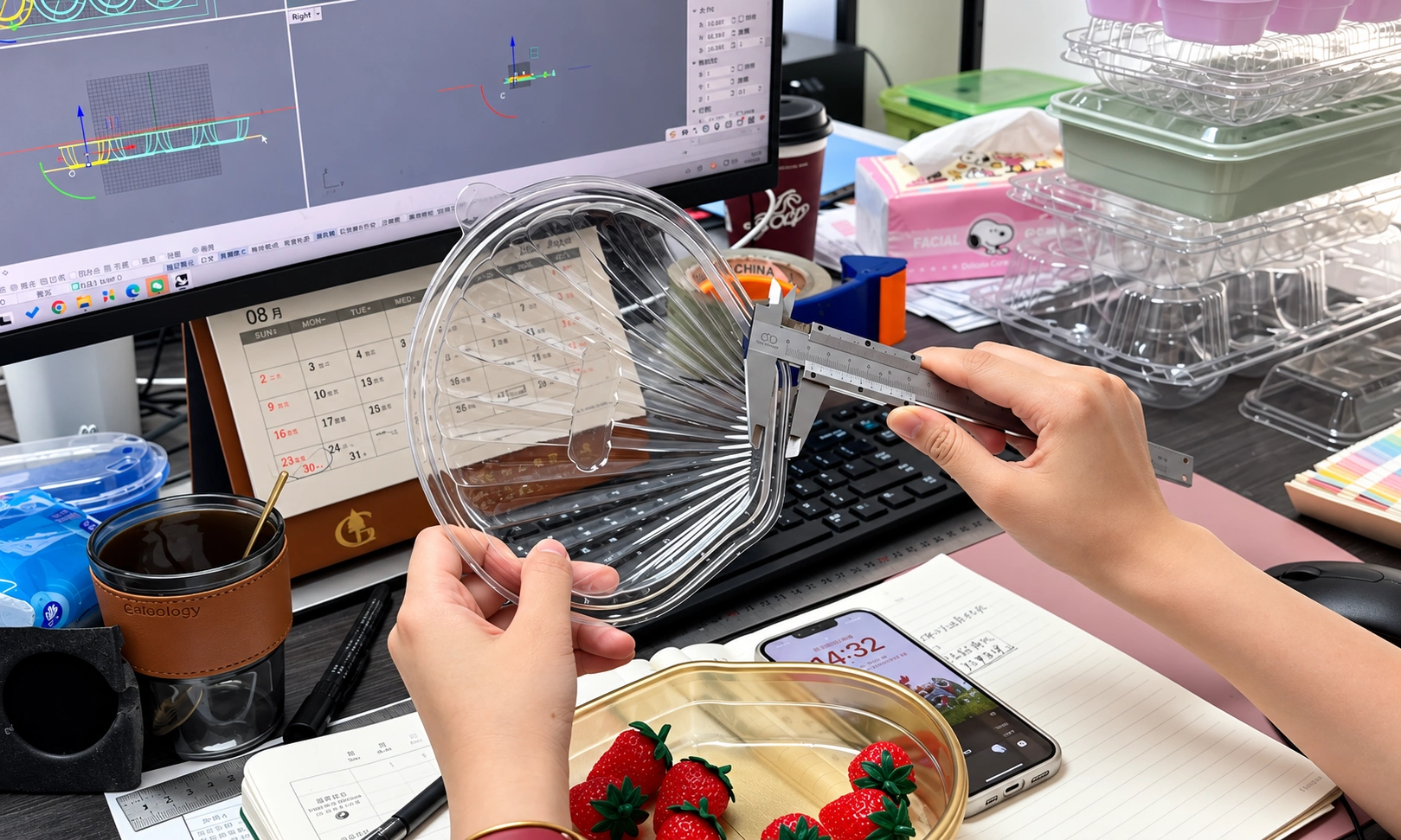
Fit & design
Fit & design
Compare the closest structure, critical interfaces and the changes that may be required.→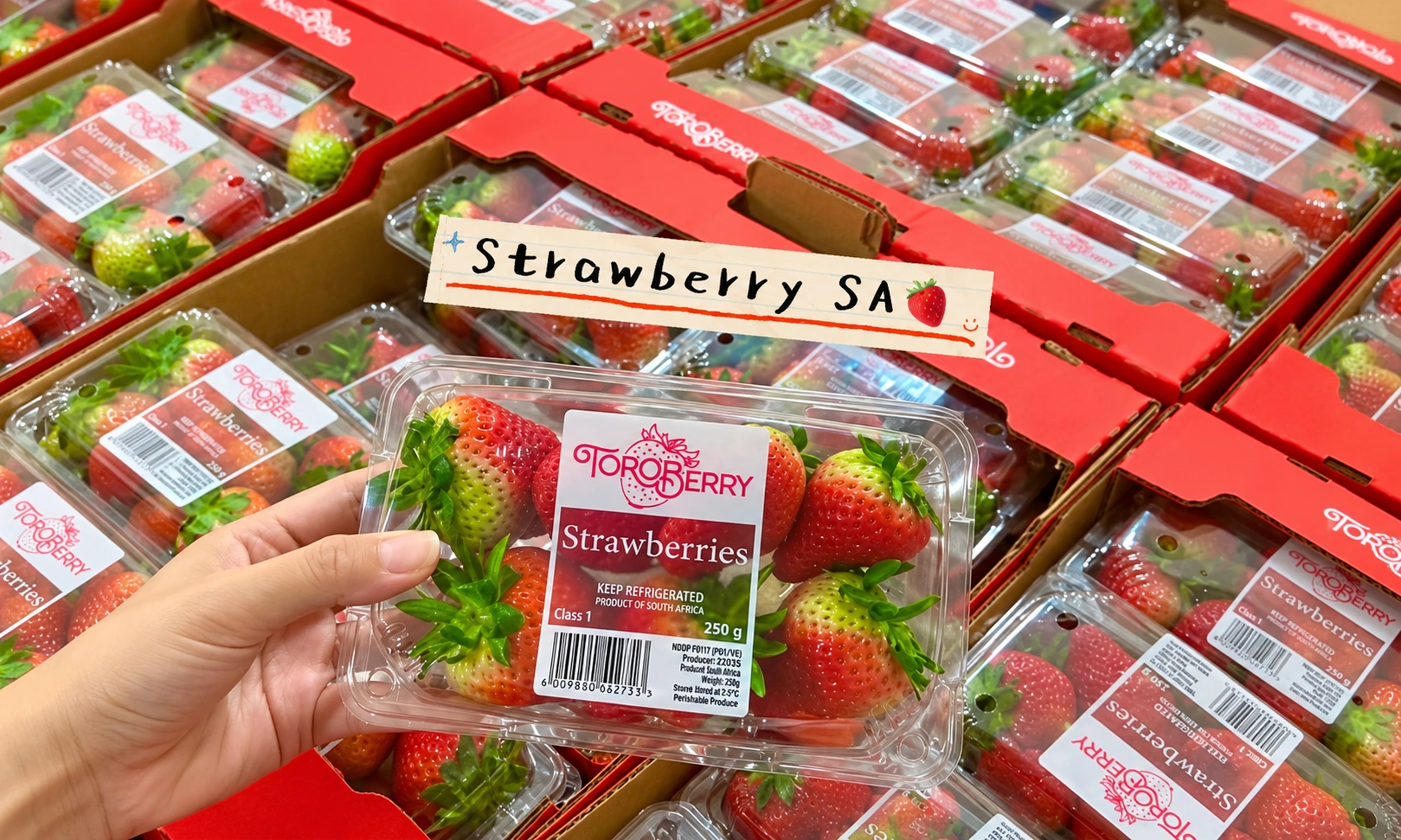
Sample review
Sample review
Check the identified sample with the real product and the stated pack-out condition.→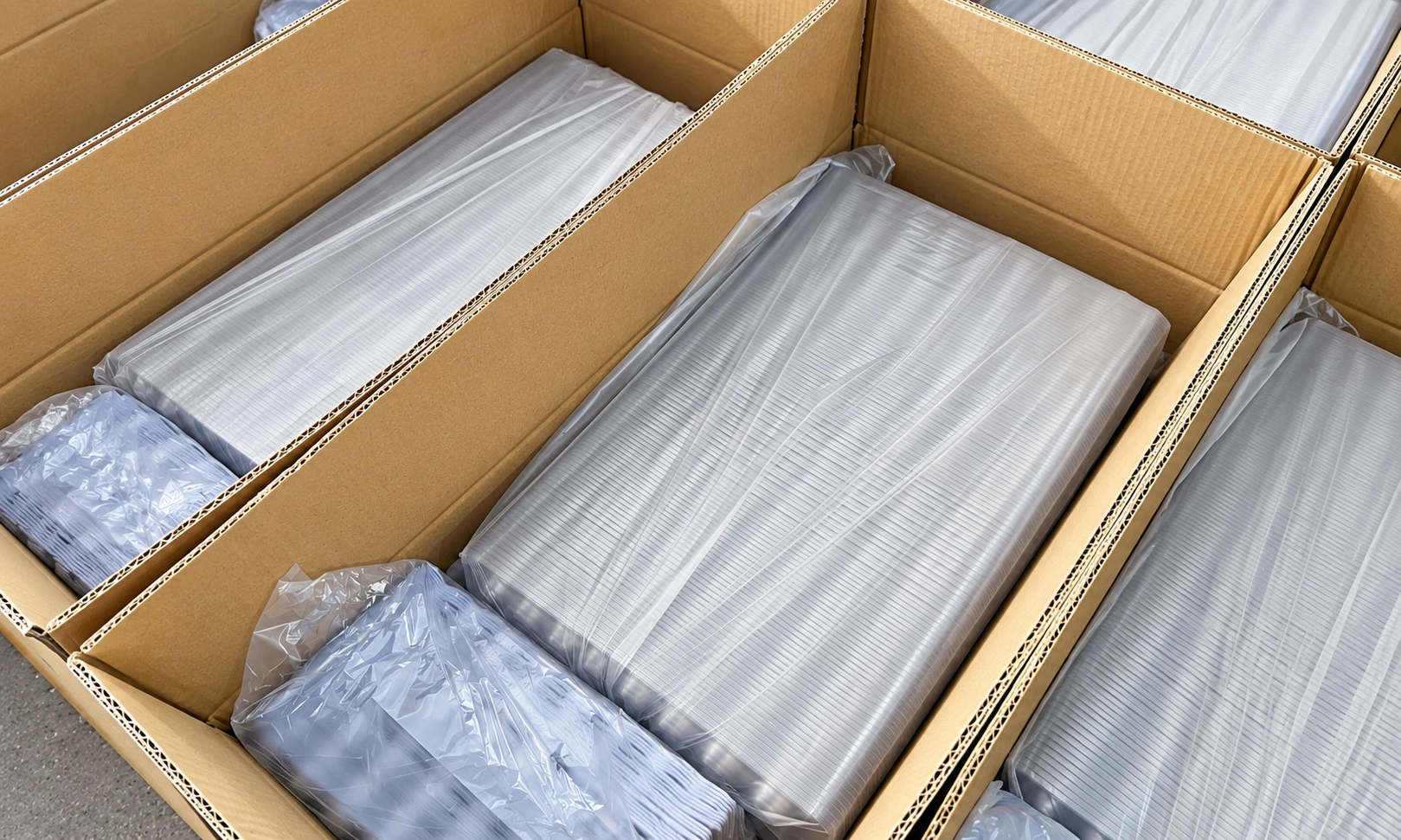
Production handoff
Production handoff
Carry the approved version, quality points and packing instructions into production.→From tooling to finished packaging.
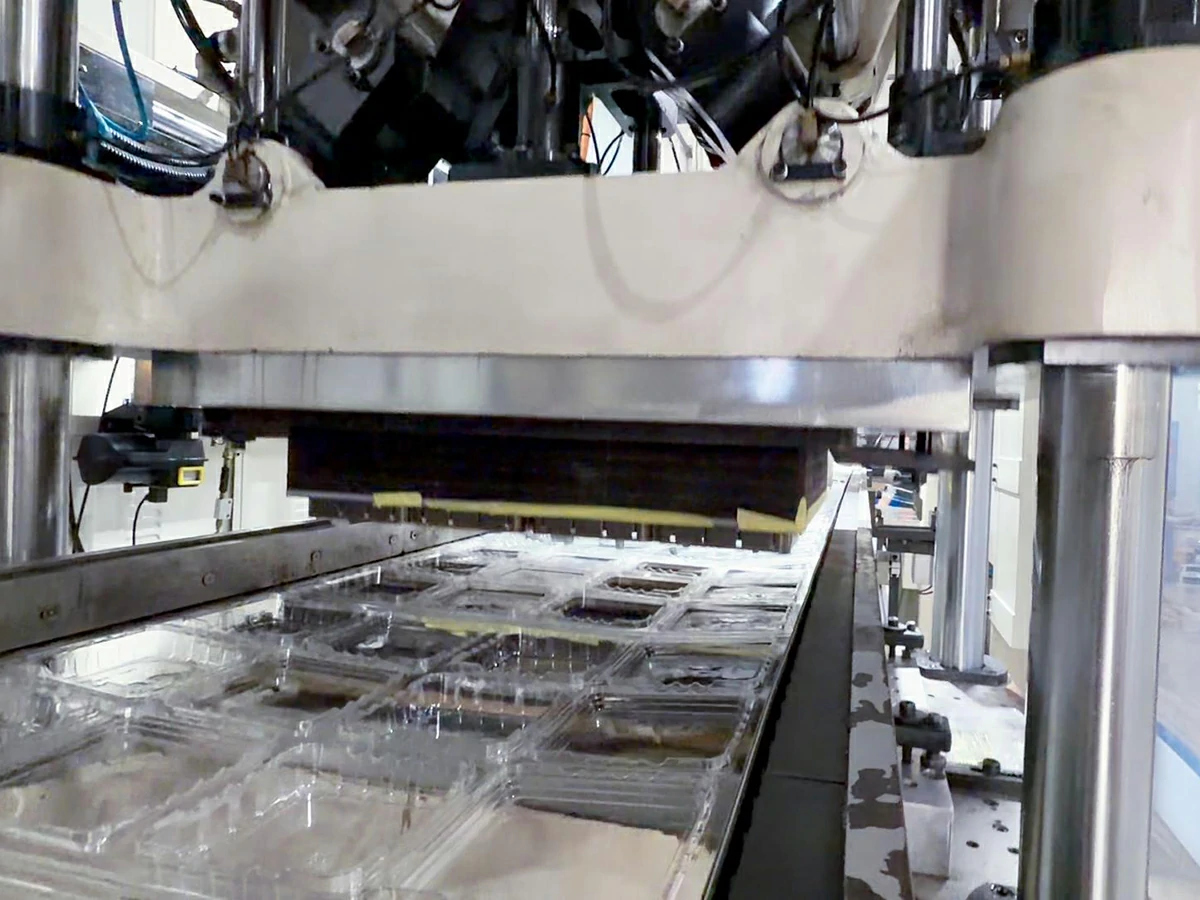
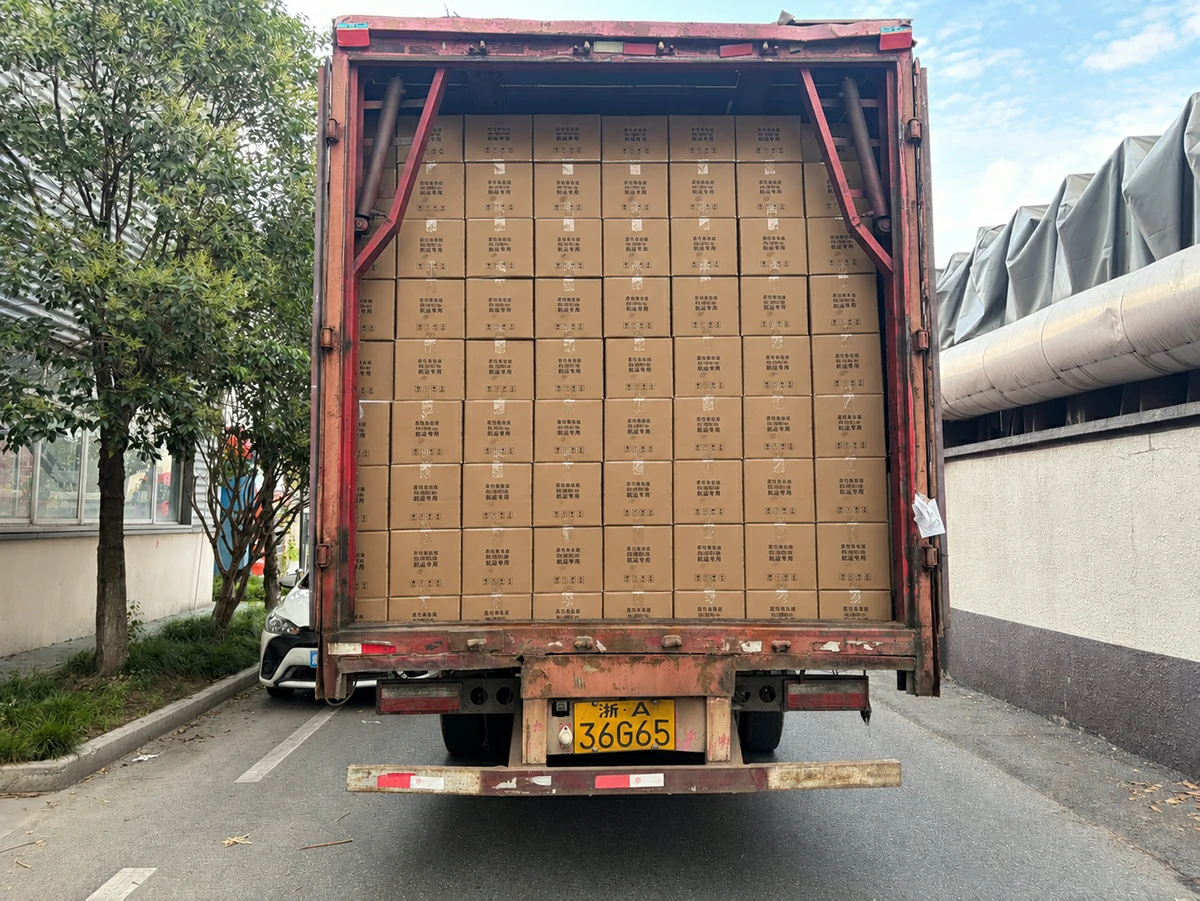
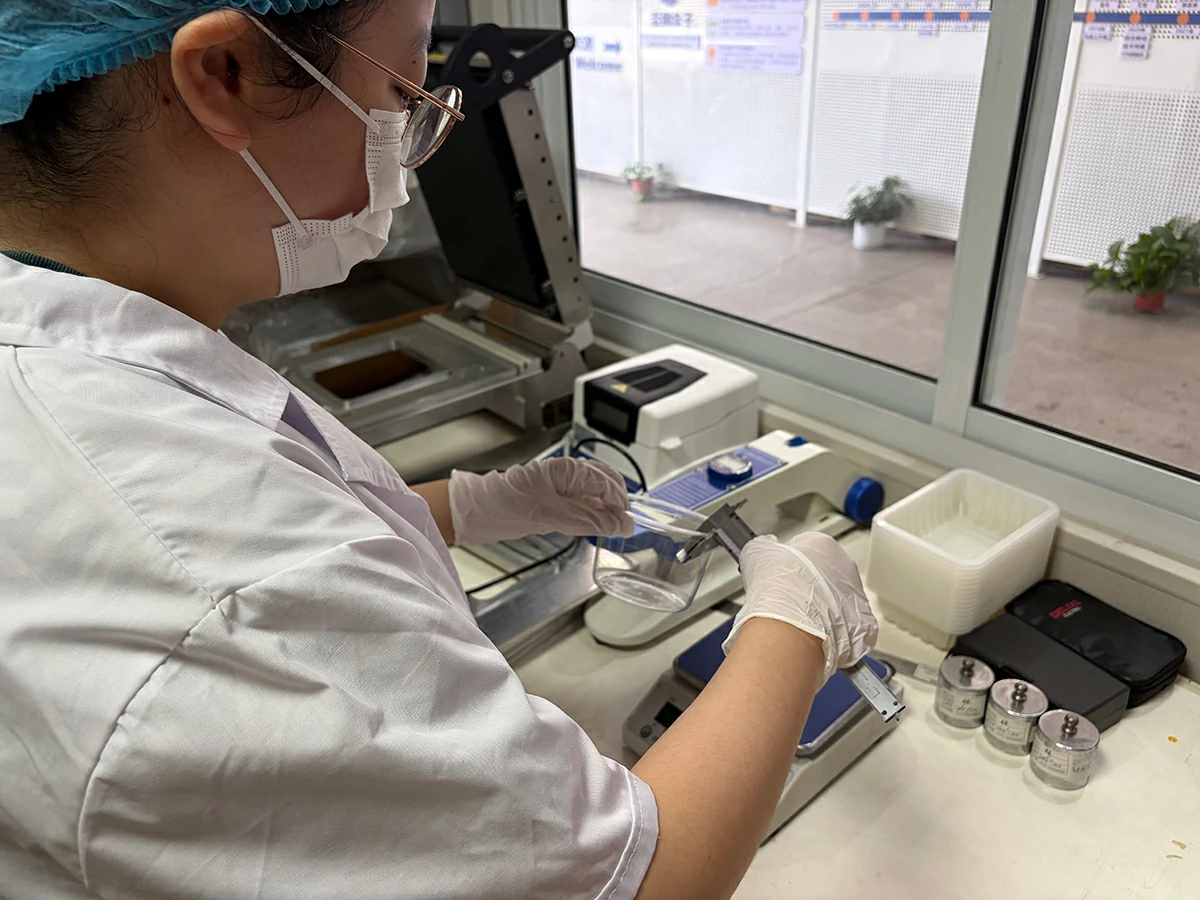
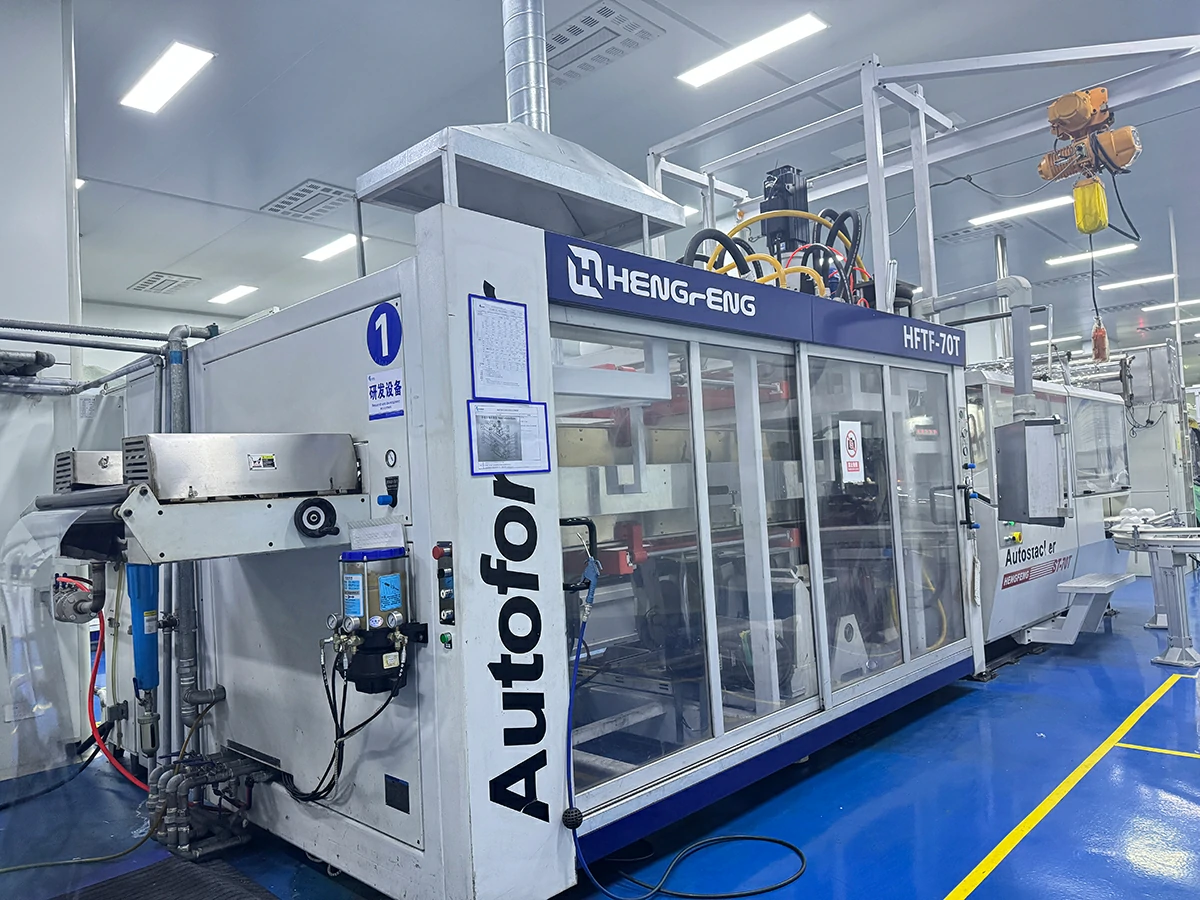
From tooling to finished packaging.
See the tooling, forming, inspection and packing work behind the finished pack.
REAL PACK-OUT IN PRACTICE
Follow the pack from filling
to the outer case.
Follow the pack from filling
to the outer case.
A useful packaging review connects product position, closure, unit count, carton orientation and the way the pack is handled next.
Follow product position, closure, unit count and carton orientation in one real process view.
Explore case studies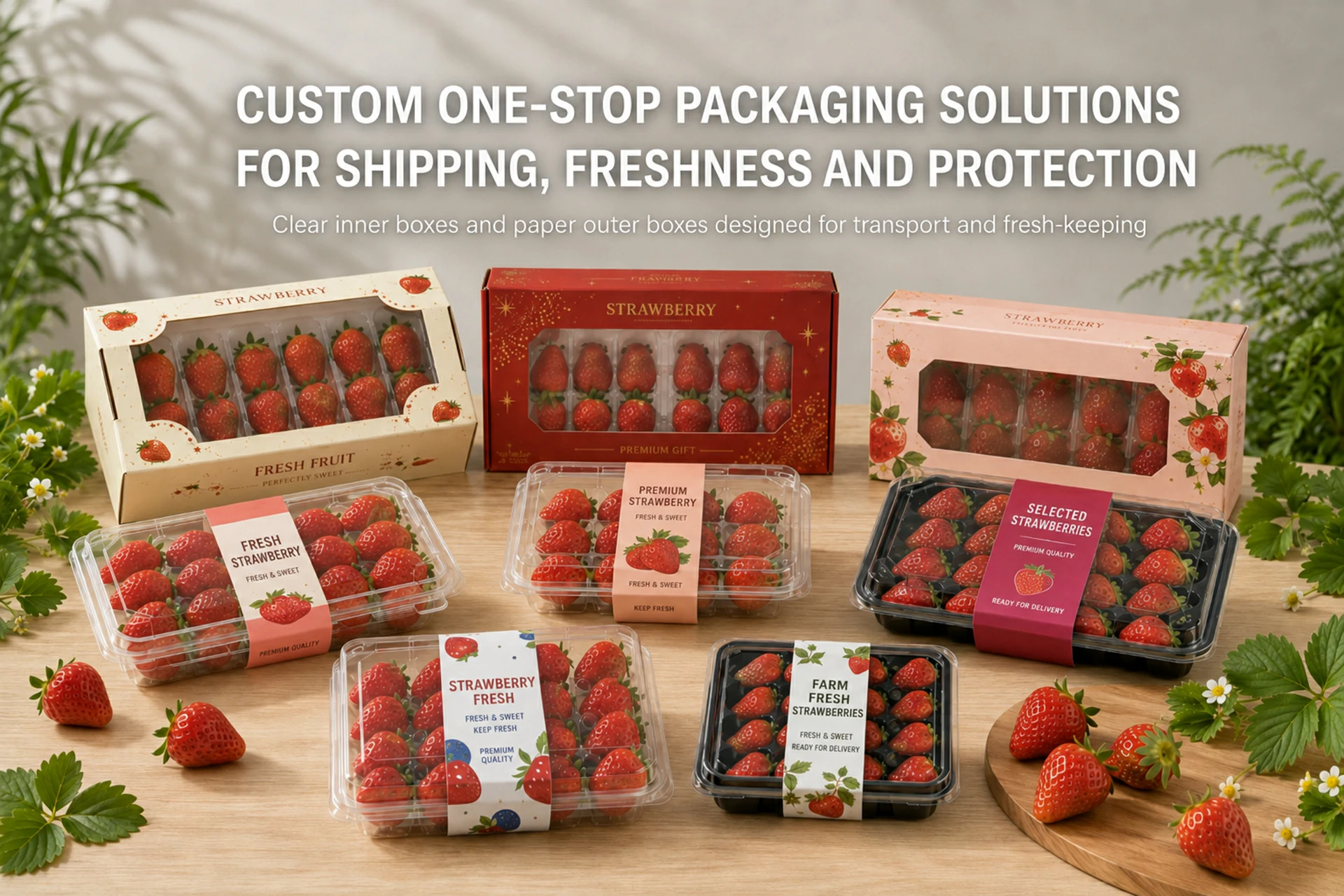
Supplied visual direction for the inner pack and outer carton.
Watch the strawberry packing route in motion.
Follow the steps from open trays through filling and grouped packs.
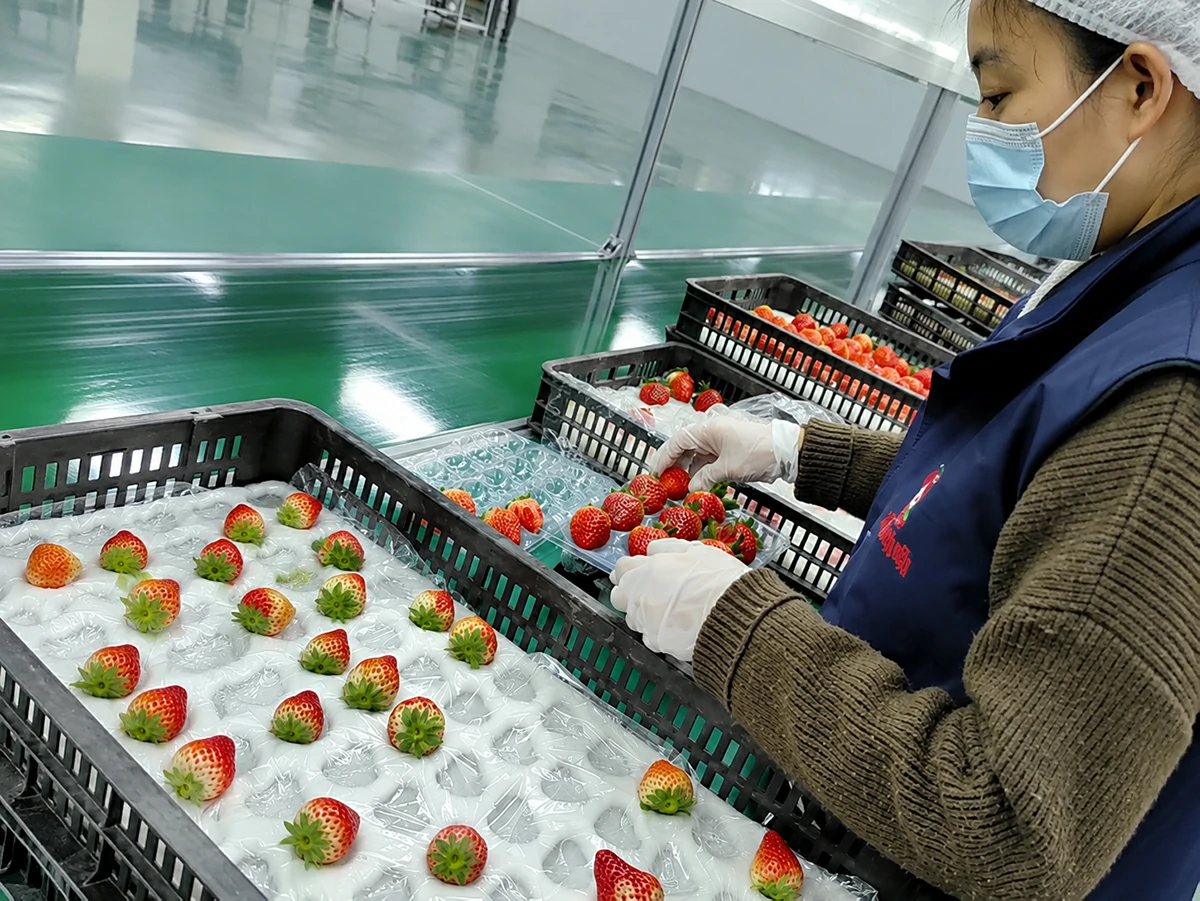
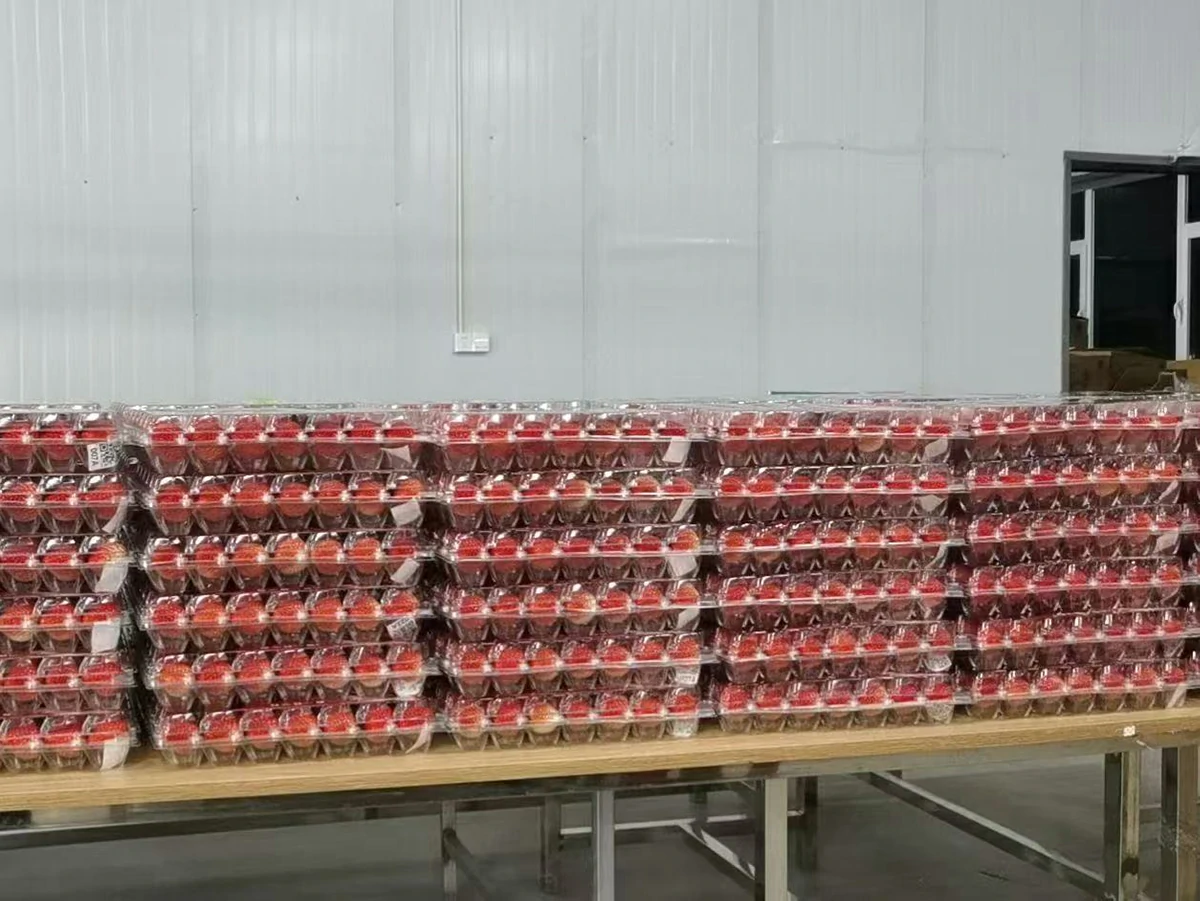
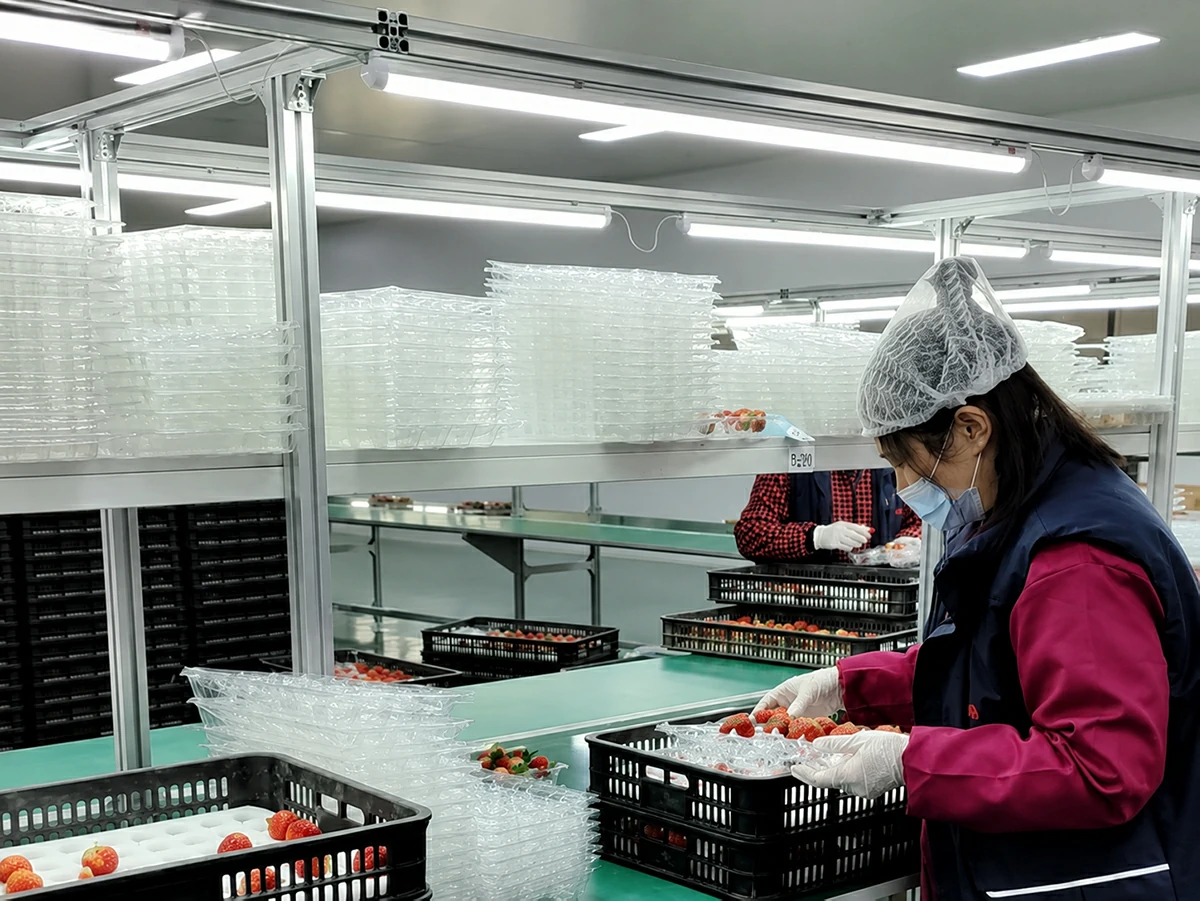
Filling, finished packs and grouped rows.
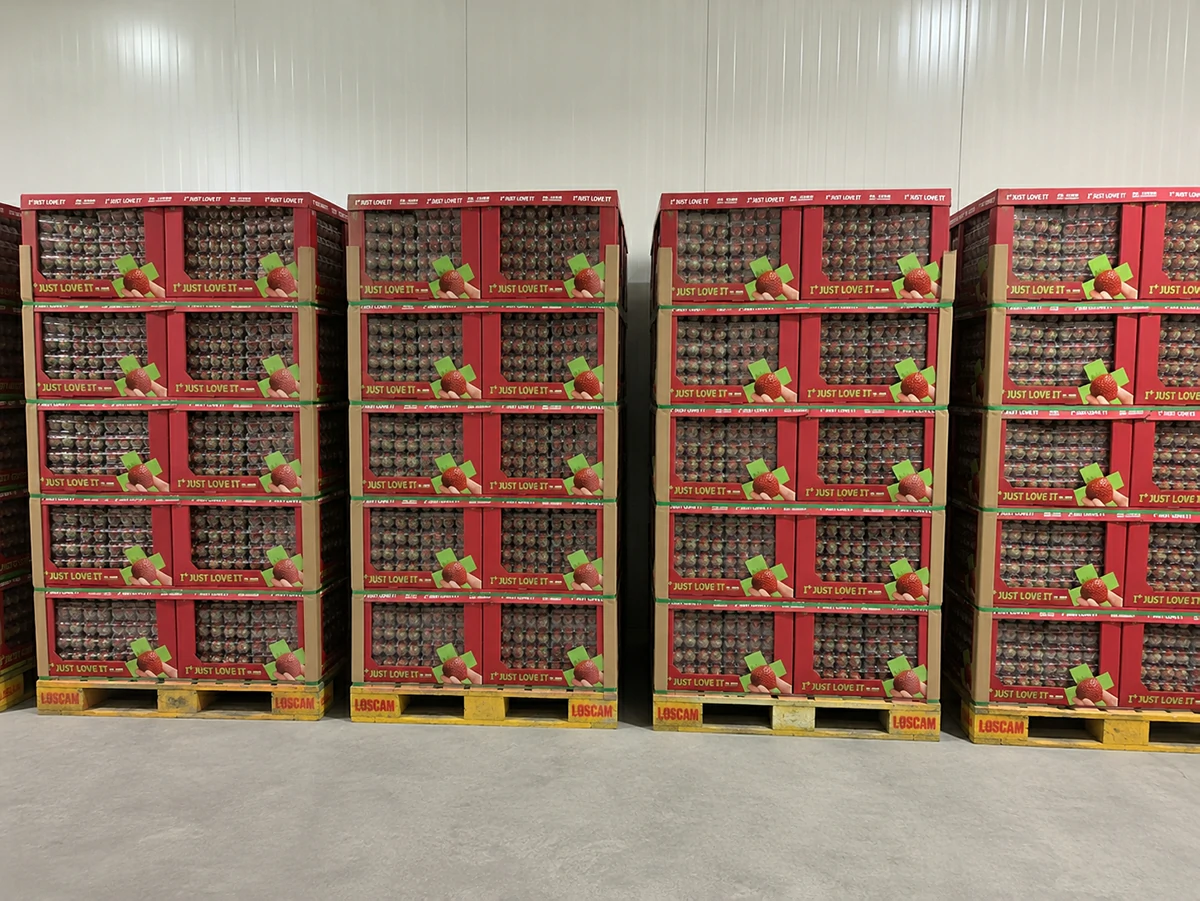
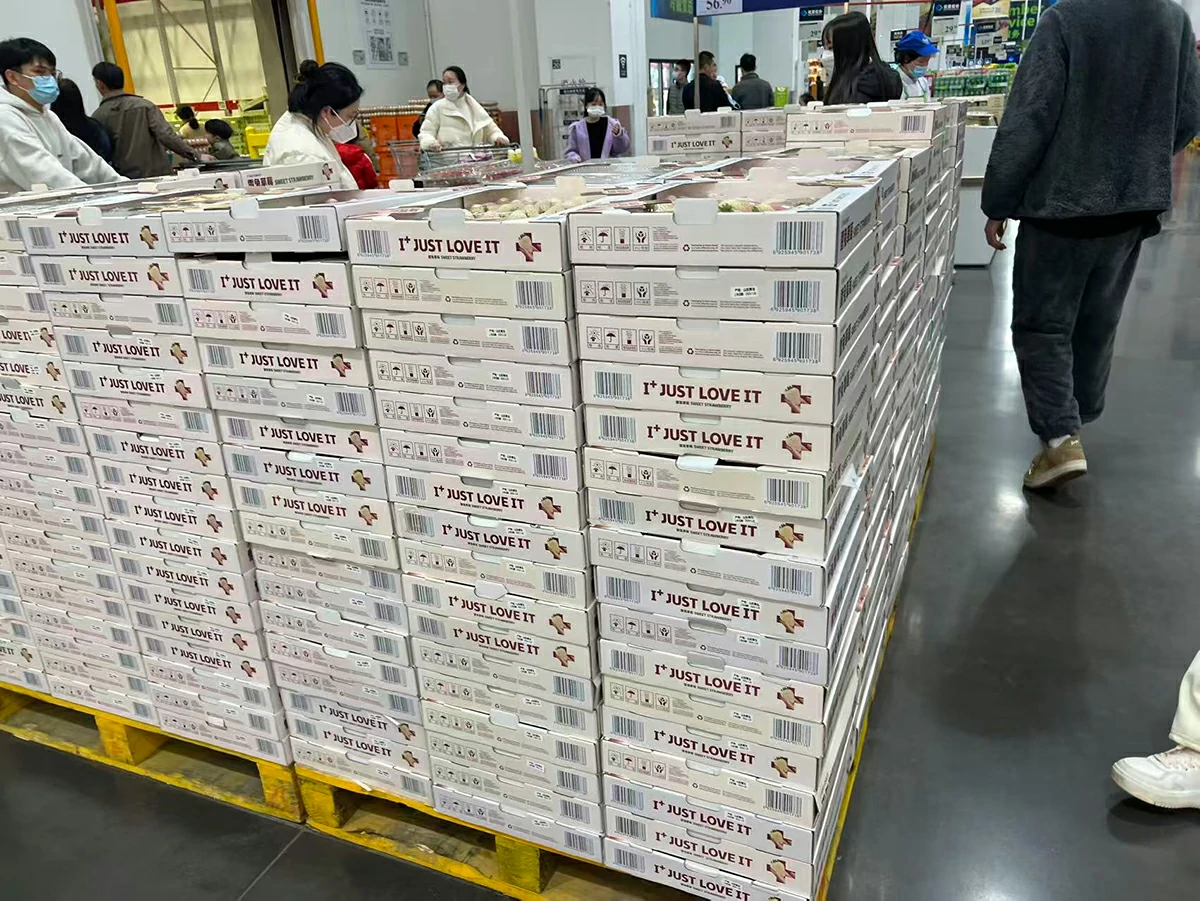
 PACK-OUT SERIESFinished packs and outer cartons.
See more case studies.
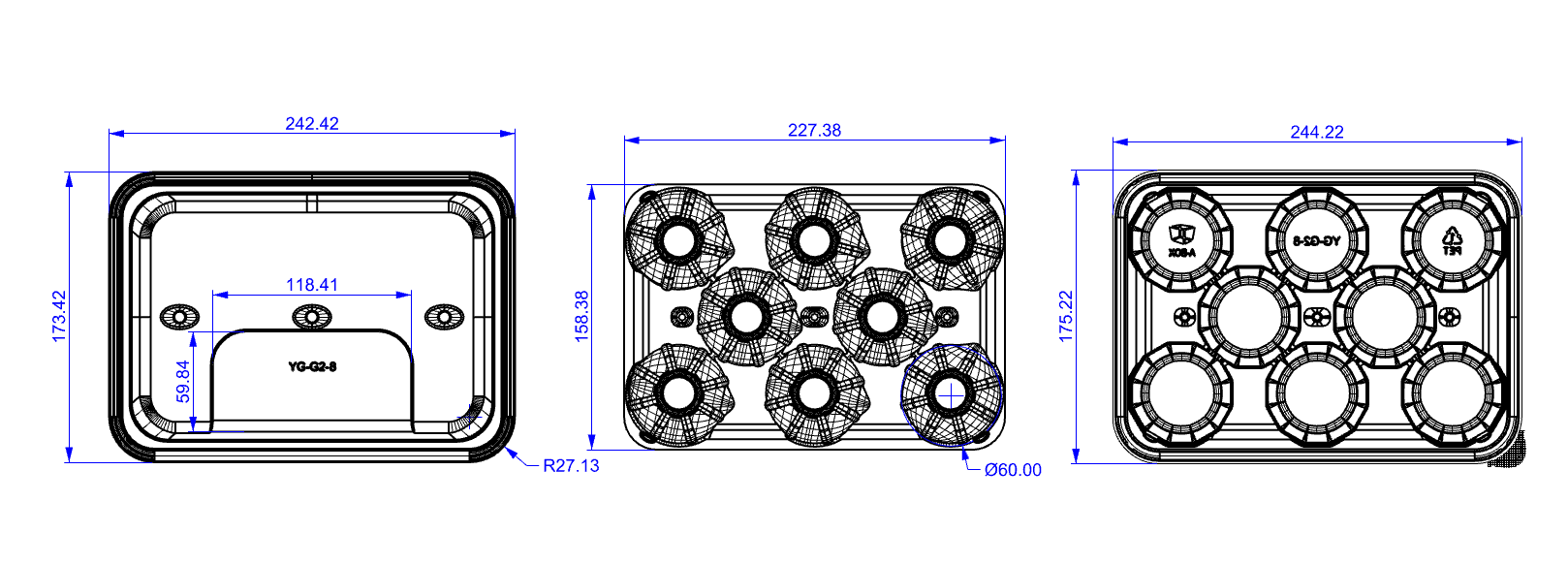
Drawings, materials
and quality documents.
Explore structure drawings and material information, then ask which reports apply to your product and use.
Review quality & documents 01
01Supplied PP & PET material file
Review PP and PET material information alongside the documents for your project.
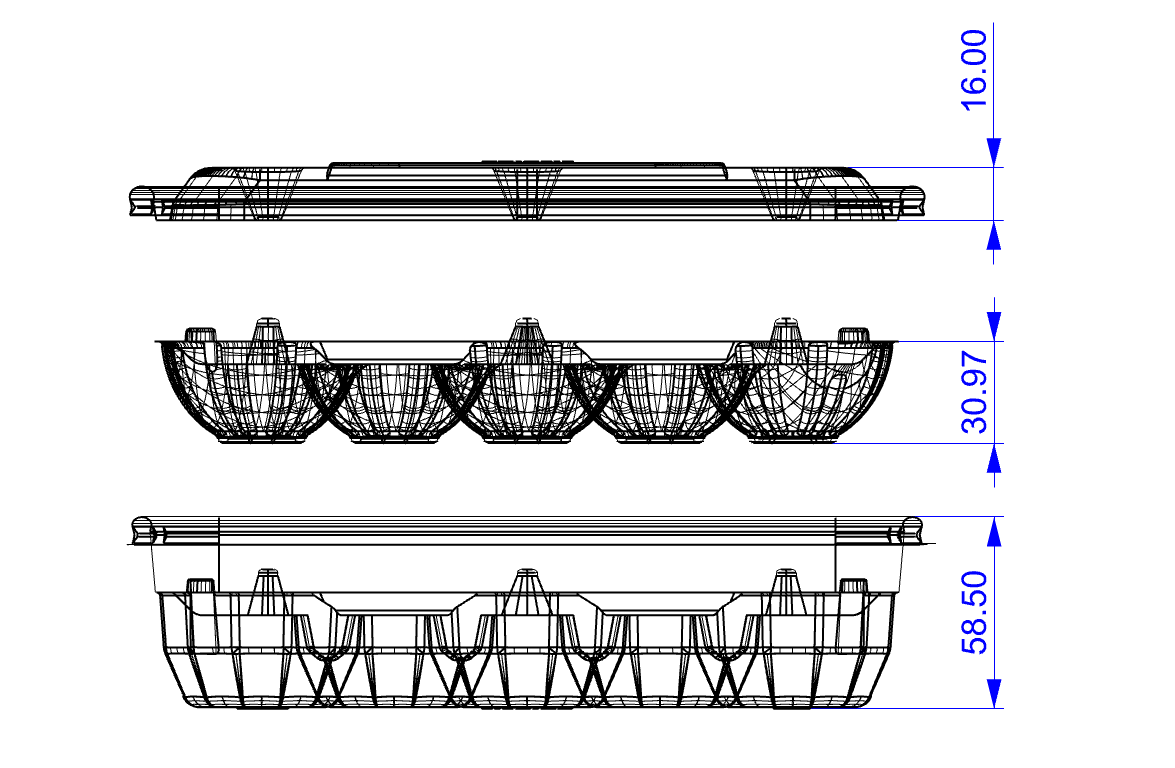
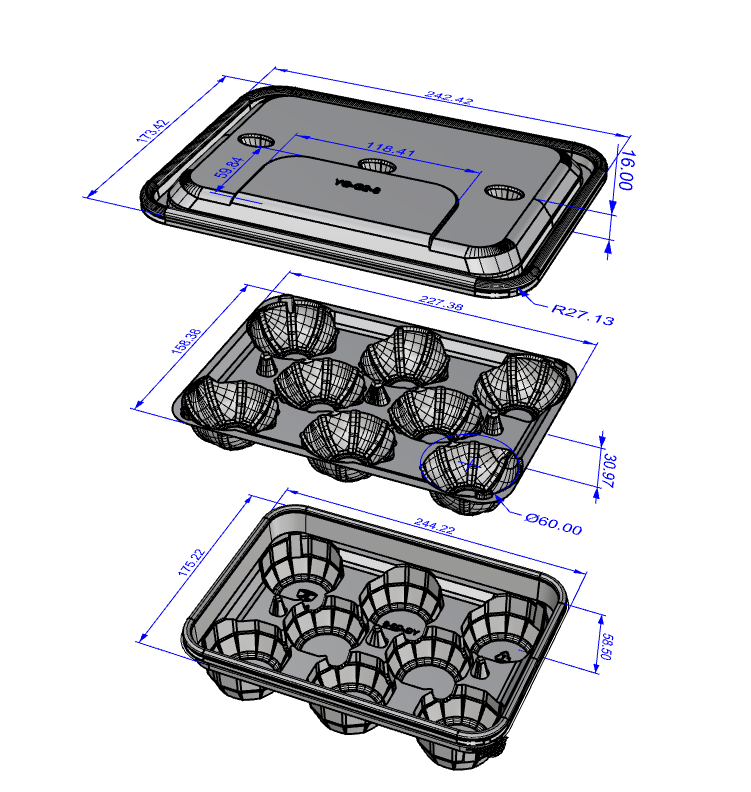
Top-view structure drawing
Review the package footprint and arrangement from above.
Exploded structure drawing
See how the package components fit together.
Side-view structure drawing
Keep the selected profile visible during review.
 05
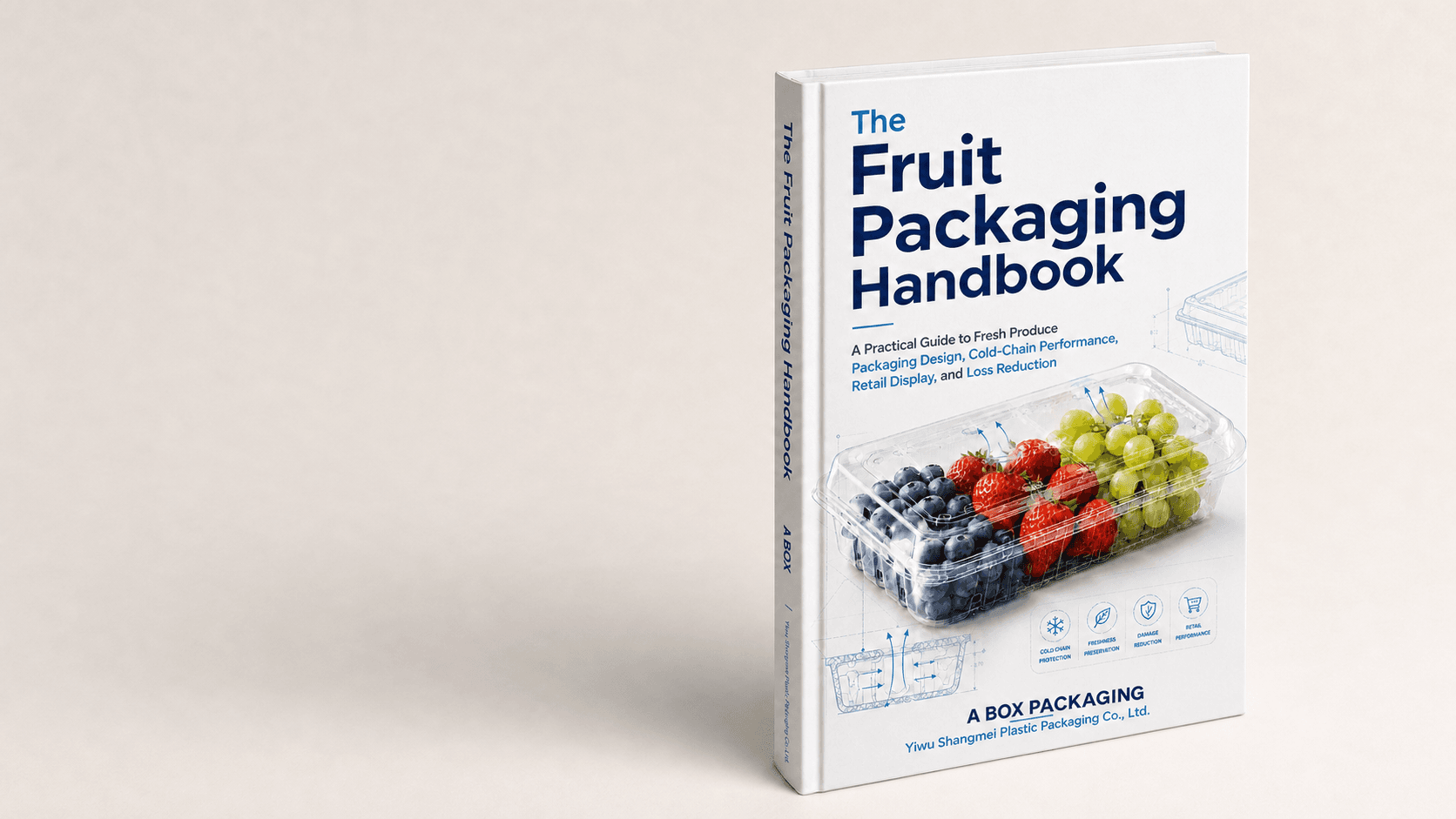
05Fruit packaging handbook
Find practical questions for choosing and reviewing fruit packaging.
Experience shaped by retail, produce and production requirements.
A BOX's packaging work began in 1997. The A BOX brand was created in 2016, and cooperation with Sam's Club and Freshippo began after 2017.







Questions that help a packaging project begin clearly.
real questionsclear next steps
Start with the next decision, then open the deeper guide when you need it.
 CONTROLLED CHANGESSee which parts can be adjusted.READ ANSWERHow is a sample checked with the real product?
 SAMPLE REVIEWTest the fit before approval.READ ANSWERCan the inner and outer pack be developed together?
 COMPLETE PACKConnect the inner pack and carton.READ ANSWER
Common questions from packaging buyers.
What information helps you recommend a starting format?
Start with the essentials: the product and its size range, the net weight or count per pack, the sales channel, and the destination route. Photos or a reference pack help when dimensions are not final. Branding, inserts, and outer-case details can follow once a direction is shortlisted, so the first round does not need a complete file.
Can we begin with an existing format?
Yes. When a close existing format is available, it is the recommended starting point. We review it with your actual product, so fit, protection, and the packing process can be checked before anything changes. Only when a key need stays unmet do we look at adapting the structure or developing new tooling.
When is custom tooling worth considering?
Consider it when an existing format cannot cover the required size, compatibility with your packing line, the structure, or a clear on-shelf difference. Tooling is not a default upgrade, so first confirm which requirement the standard route cannot meet.
How should a sample be reviewed?
Match the review to what the sample can actually prove. A quick mock-up can check size and structural direction; judging material behavior, closure, and stacking takes a sample made with production-matched material. Review with the real product, the real outer case, and your actual packing actions: filling, closing, stacking, and handling.
What should be confirmed before bulk production?
Confirm the approved sample version, the material and key dimensions, and the functions that matter, such as closure, ventilation, and stacking, together with the checks and documents that cover them. Confirm the outer case and packing method too, so pack-out instructions stay aligned with the reviewed version.
Can the inner and outer packaging be developed together?
Yes, and it is usually better that way. The retail pack, inner tray, label or sleeve, outer case, pallet, and cold-chain route work as one system, so we review them together instead of approving a box on its own and finding conflicts at pack-out.
Practical guides for
packaging buyers.
Use a short guide or checklist to organize product details, sample observations, material questions and pack-out inputs.

Tell us what you need to pack.
Share the product, intended use, expected quantity and destination. We’ll help identify the most useful starting route.